







Application of Grid Air Quality Monitoring System
2025-08-19 15:10:35
With growing environmental awareness and advancements in monitoring technology, grid-based air quality monitoring systems are playing an increasingly important role in cities and industrial zones. By deploying multiple monitoring points, these systems continuously measure pollutant concentrations in the air, delivering detailed air quality data to help governments and enterprises make informed decisions, respond to pollution events, and safeguard public health.

Application Scenarios
Grid-based air monitoring systems are widely used in:
-
Urban centers
-
Industrial parks
-
Traffic corridors
-
Residential areas
With full coverage and real-time monitoring, these systems can accurately identify pollution sources, track air quality trends, and support effective environmental management.
How It Works
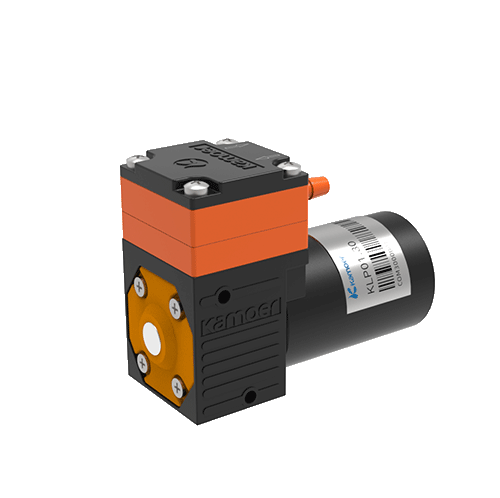
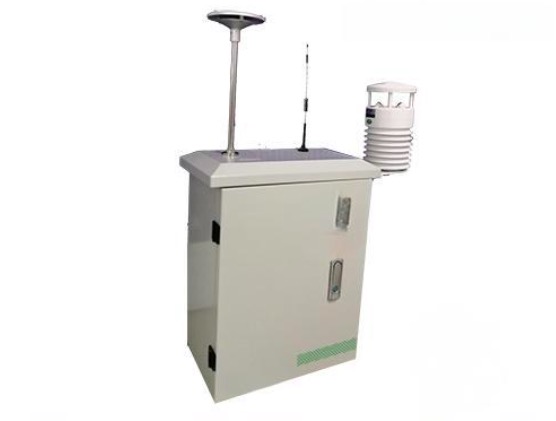
Each monitoring station is equipped with high-precision sensors and data acquisition devices. Sensors draw air samples via a diaphragm pump and analyze pollutant concentrations such as PM2.5, PM10, SO₂, NOx, and VOCs.
The collected data is transmitted to a central control system for processing and analysis, providing real-time air quality status, early warnings, and decision-making support for pollution control.
Advantages of Kamoer KLVP1 Diaphragm Pump
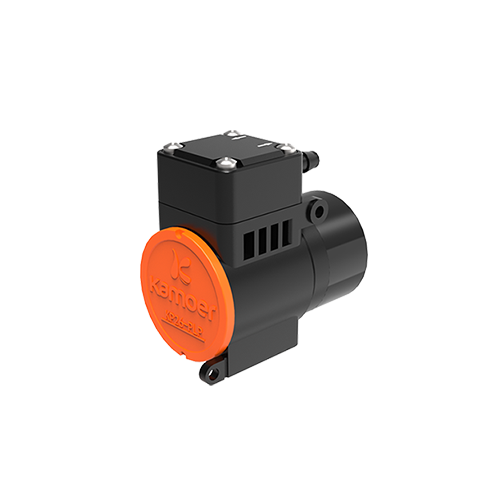
As a key component of grid-based air monitoring systems, the Kamoer KLVP1 diaphragm pump (vacuum: ≤ -0.05MPa) offers several outstanding advantages:
-
Low Noise: ≤60dB at 50cm distance (ambient noise 35dB), ideal for residential areas and urban centers.
-
Low Power Consumption: ≤2W, enabling long-term continuous operation with reduced energy costs.
-
Stable Operation: Ensures accuracy and reliability of monitoring data, even in harsh environments.
-
Compact Size: Small and lightweight design, easy to integrate into monitoring devices with limited space.
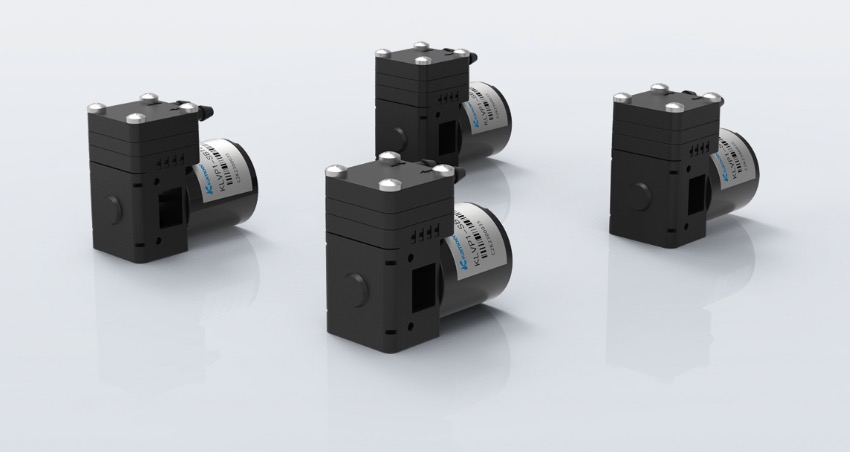
The Kamoer KLVP1 diaphragm pump provides reliable and efficient sampling support for grid-based air quality monitoring systems. By ensuring accurate data and stable performance, it enhances monitoring efficiency while lowering operational costs.
With years of experience in fluid transfer solutions across medical, laboratory, and environmental fields, Kamoer continues to deliver high-quality products and services, empowering industries to achieve sustainable development and a cleaner future.
Related Products